Partial Vs. Full Demolition In Tweed Heads: Which Option Is Right For You?
Starting a renovation or rebuild often begins with a key decision that shapes everything that follows. Before any new construction can take place, part or all of the existing structure needs to be removed. For property owners, this usually comes down to choosing between partial and full demolition.
While both options involve removing parts of a building, the approach taken can influence cost, timelines and how the rest of the project unfolds. In some cases, retaining part of the structure can support a staged renovation, while in others, starting with a completely cleared site may provide more flexibility. Understanding how each option works in practice can help guide planning and reduce uncertainty as the project progresses.
Understanding the difference between partial and full demolition before starting your project
Partial and full demolition serve different purposes depending on the scope of the project. The choice between them is often based on how much of the existing structure needs to remain and how the property will be used moving forward.
Key differences include:
- Partial demolition involves removing selected sections while retaining the rest of the structure
- Full demolition involves removing the entire building down to the base level
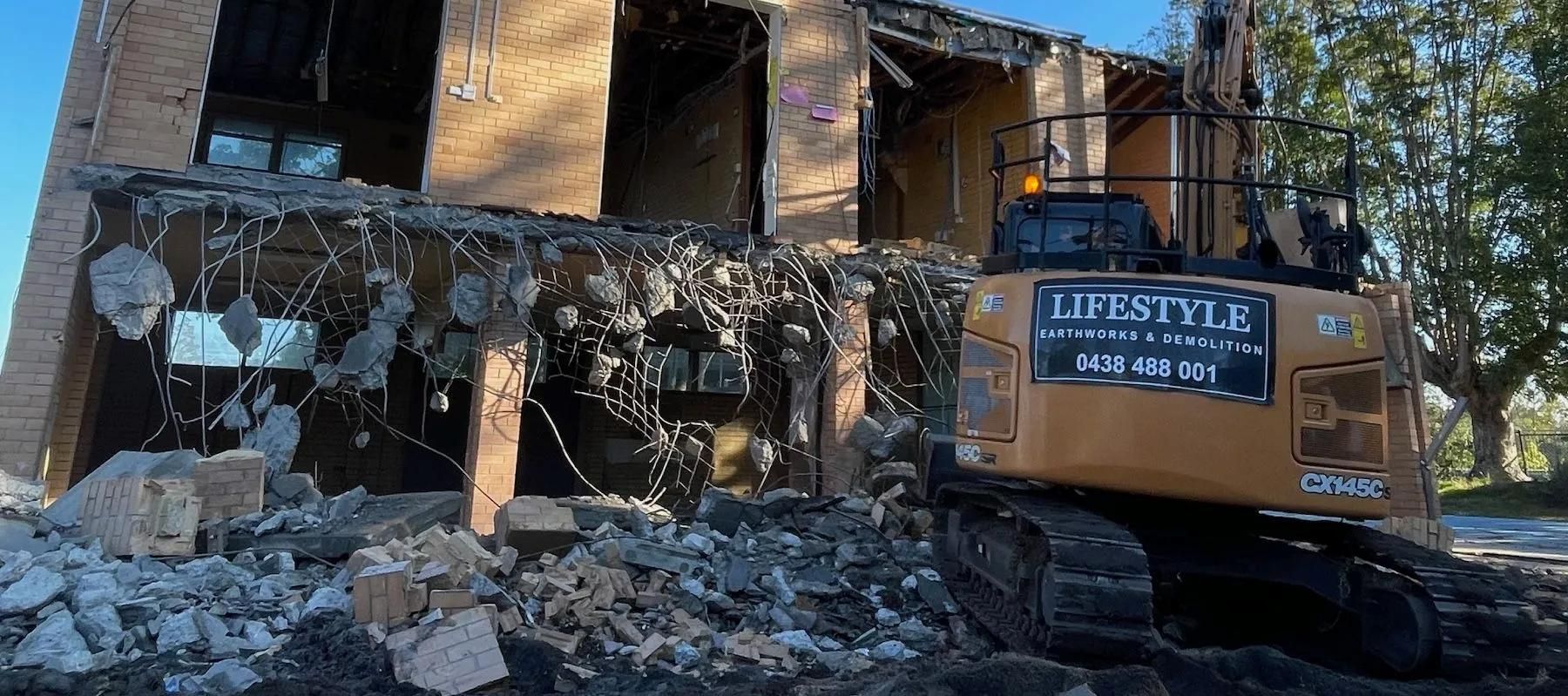
- Partial work is often used for renovations, extensions or internal reconfigurations
- Full demolition is typically used when preparing for a completely new build
For projects involving partial demolition in Tweed Heads, the aim is to preserve areas that remain structurally suitable while removing sections that no longer meet the needs of the property.
When partial demolition is suitable for renovations and extensions
Partial demolition is commonly used when a property is being updated rather than replaced entirely. This approach allows homeowners to keep parts of the existing building while making targeted changes to improve layout, function or appearance.
For example, removing internal walls, extending living areas or updating specific sections of the home can often be achieved without affecting the entire structure. This approach can also be useful when certain architectural features or structural elements are intended to remain.
However, partial demolition requires careful coordination. Protecting the remaining structure during removal work is essential, as any unintended damage can affect the rest of the building. This is why planning plays a significant role in ensuring the retained sections continue to function as intended once the work is complete.
Full demolition is often considered for rebuilds and complete site clearing
In some situations, removing the entire structure is the more practical option. This is often the case when the existing building no longer suits the intended use or when structural limitations make renovation less viable.
Full demolition may be considered for:
- Knockdown rebuild projects where a new home is planned
- Properties with significant structural wear or outdated layouts
- Sites being prepared for new residential or commercial development
- Older buildings that do not align with current building requirements
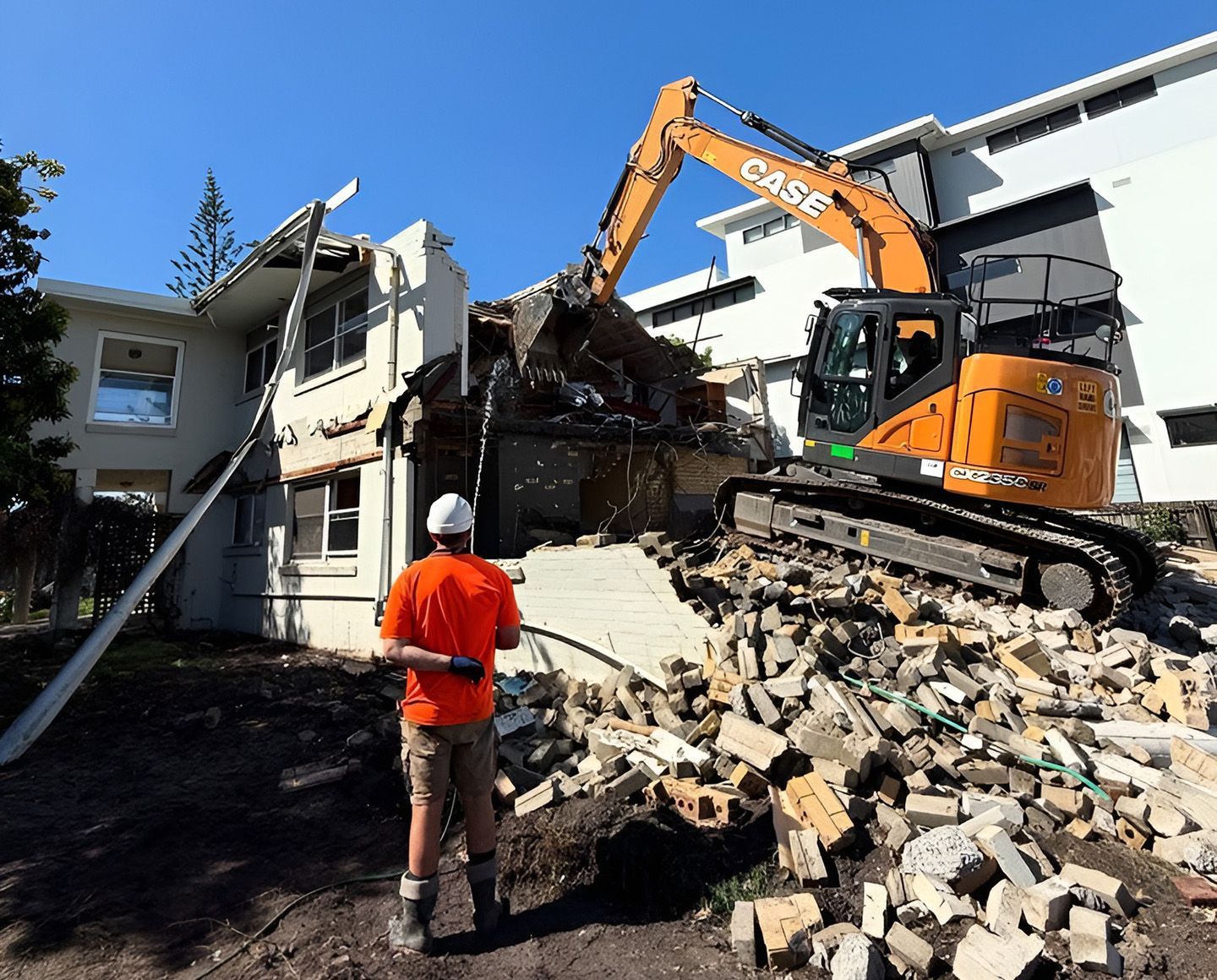
For full demolition Tweed Heads projects, the focus is on clearing the site completely so new construction can begin without constraints. This approach can simplify planning by removing the need to work around existing structures.
Structural considerations play a major role in choosing between partial and full demolition
The condition of the building plays a key role in determining which demolition approach is more suitable. While some structures can support partial removal, others may not be suitable for retention due to underlying issues.
Factors that influence this decision include the condition of the foundation, the stability of load-bearing walls and any previous modifications made to the property. In some cases, what appears to be a straightforward renovation may reveal structural limitations that make full demolition a more practical option.
Assessing these elements early in the planning stage helps avoid complications later. It provides a clearer understanding of what can realistically be retained and what may need to be removed to support the next stage of construction.
Cost and project timelines can differ significantly between demolition approaches
The scale and complexity of demolition work can influence both cost and project timelines. While partial demolition may involve removing less material, it often requires more controlled work to protect the remaining structure.
General considerations include:
- Partial demolition may involve staged work and additional preparation
- Full demolition can allow for faster site clearing in some cases
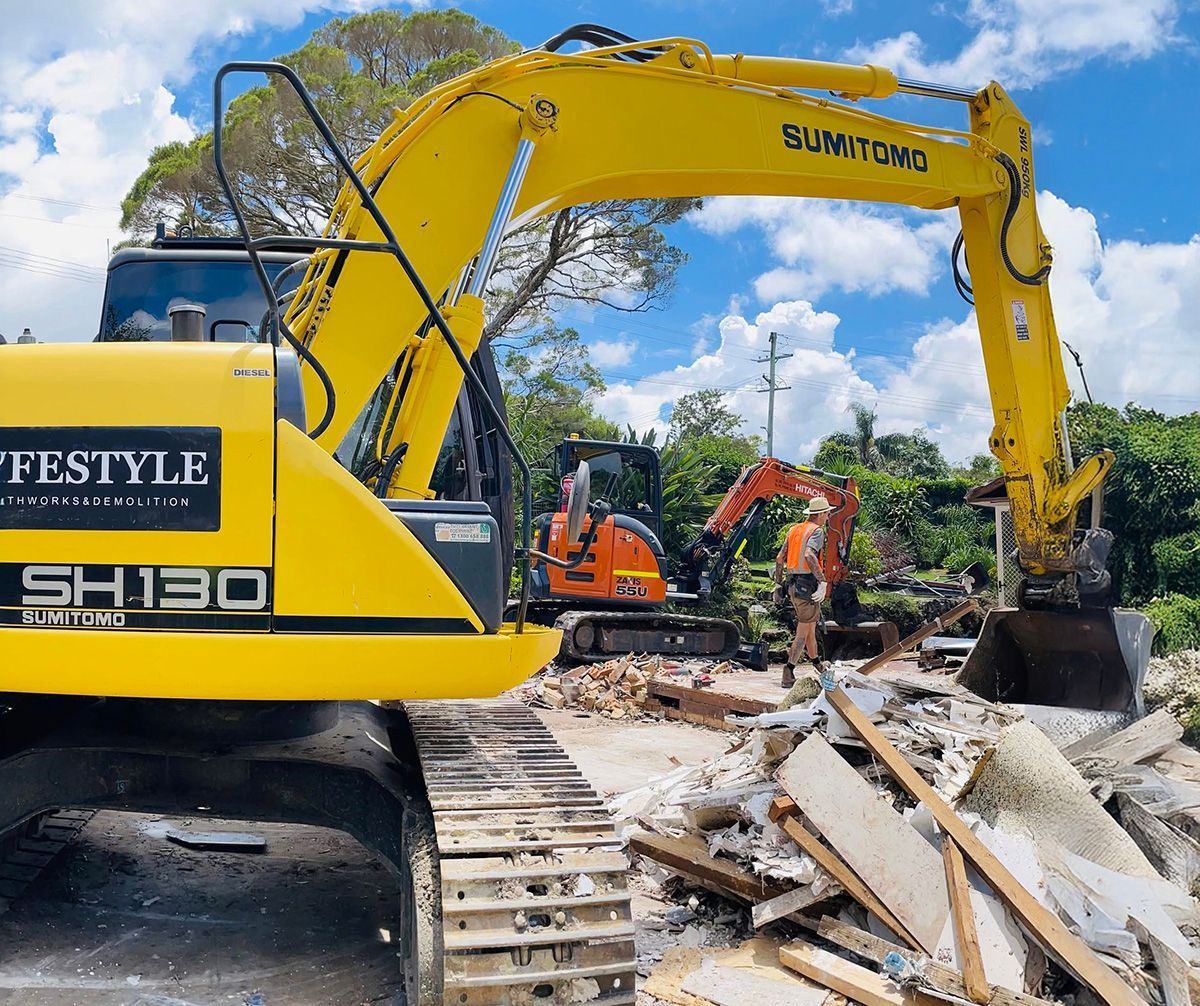
- Labour and equipment requirements vary between approaches
- Unexpected site conditions can influence overall costs
Timelines can also differ depending on how the demolition integrates with the rest of the project. Full demolition may provide a clear starting point, while partial demolition may need to be coordinated more closely with ongoing construction work.
Site access, location and surrounding structures can impact your demolition choice
The layout and location of a property can influence how demolition is carried out. Properties in built-up areas or with limited access may require a more controlled approach, particularly when working near neighbouring structures.
In these cases, partial demolition can sometimes reduce the impact on surrounding areas by limiting the scope of removal. However, full demolition may still be suitable with the right planning and access considerations in place.
Other factors such as driveway access, street frontage and available working space can all affect how equipment is used on-site. These practical considerations often play a role in determining which approach is more feasible.
Waste removal and material handling differ between partial and full demolition projects
The volume and type of waste generated can vary significantly depending on the demolition method. Partial demolition tends to produce smaller, more targeted amounts of material, while full demolition involves clearing the entire structure.
Key differences include:
- Partial demolition focuses on removing selected materials and sections
- Full demolition generates larger volumes of mixed construction waste
- Material sorting may be more detailed in partial projects
- Transport and disposal requirements increase with full site clearing
Managing this waste efficiently is an important part of the process. It affects not only the condition of the site but also how quickly the next stage of work can begin.
Working with a demolition company helps determine the right approach for your property
Choosing between partial and full demolition often requires a clear understanding of both the property and the intended outcome. A structured assessment can help identify which approach aligns with the goals of the project.
This process usually involves reviewing the building, considering structural factors and understanding how demolition will integrate with future construction. It also takes into account site access, waste management and the overall project timeline.
By looking at these elements together, it becomes easier to determine whether partial demolition in Tweed Heads or full demolition in Tweed Heads is the more practical option. A well-informed decision at this stage can help reduce delays and support a smoother transition into the next phase of the project.
We at Lifestyle Demolition understand that properties in Tweed Heads often present a mix of renovation potential and redevelopment opportunities. Coastal conditions, property layouts and local planning considerations can all influence whether a partial or full demolition approach is more suitable.
If you are planning a project and considering demolition Tweed Heads services, we can help you assess your property and determine the most practical path forward. Get in touch to discuss your plans and explore whether partial demolition in Tweed Heads or full demolition in Tweed Heads aligns with your goals.